Product News
High and Low Voltage Ride Through (HVRT and LVRT): Pioneering Grid Stability in Renewable Energy SystemsRestructuring State Enterprises
As renewable energy sources such as photovoltaic (PV) solar and wind power take centre stage in the global energy transition, their integration into power grids presents new challenges. Among these, ensuring stable operation during grid voltage disturbances stands out. High Voltage Ride Through (HVRT) and Low Voltage Ride Through (LVRT) technologies are pivotal in enabling renewable energy systems to maintain grid stability during such events. This article delves into their definitions, importance, and implementation.
What Are HVRT and LVRT?
Low Voltage Ride Through (LVRT)
LVRT is the ability of renewable energy systems to stay connected to the grid and continue operating when grid voltage temporarily drops below a specified percentage of its nominal value. For example PV power plants must remain operational when grid voltage dips to 15%-90% of the nominal value within prescribed time-frames.
High Voltage Ride Through (HVRT)
HVRT refers to the capacity of systems to remain online during temporary voltage surges above the nominal value. PV plants are required to operate stably when voltage levels rise to 110%-135% of the nominal value for defined duration.
How Do HVRT and LVRT Support Power Grids?
1. Enhance Grid Stability
Traditional energy sources, such as thermal and hydroelectric power plants, inherently provide rotational inertia that helps stabilise grids during disturbances. Renewable energy systems, relying on inverter-based resources, lack this inertia. HVRT and LVRT functionalities compensate for this deficit by:
- Ensuring renewable systems remain online during voltage disturbances.
- Reducing the risk of cascading failures caused by the simultaneous disconnection of distributed generation systems.
- Supporting voltage recovery by supplying reactive power during disturbances.
In wind-integrated grids, for instance, the mass disconnection of turbines during voltage dips can lead to severe frequency and voltage instabilities. HVRT and LVRT mitigate such risks by maintaining continuity of operation.
2. Boosting Renewable Energy Reliability and Utilisation
Variability in weather conditions often affects renewable energy systems. Without ride-through capabilities, minor voltage fluctuations could lead to frequent disconnections, diminishing their effective utilisation. By adapting to grid voltage changes, HVRT and LVRT:
- Minimise unnecessary disconnections.
- Maximise the utilisation of renewable energy resources.
- Comply with modern grid requirements for reliable energy integration.
Moreover, reducing disconnections alleviates the need for grid emergency actions, such as load shedding, ensuring uninterrupted power supply to end users.
What Are the Technological Foundations of HVRT and LVRT?
1. Advanced Inverter Design and Control
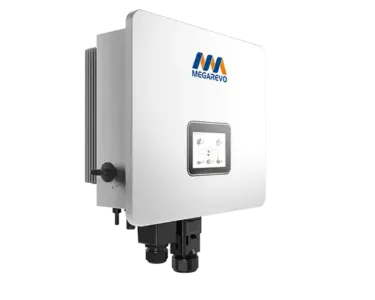
Inverters, the core of renewable energy systems, play a critical role in implementing HVRT and LVRT functionalities. Key strategies include:
- Optimised Control Algorithms: These enable inverters to provide reactive power support during voltage dips (LVRT) or surges (HVRT).
- Enhanced Voltage Tolerance: Inverters designed to withstand higher voltage thresholds prevent premature disconnections.
- Dynamic Reactive Power Compensation: Devices like Static Var Generators (SVG) enable rapid response to voltage variations.
2. Integration of Energy Storage Systems
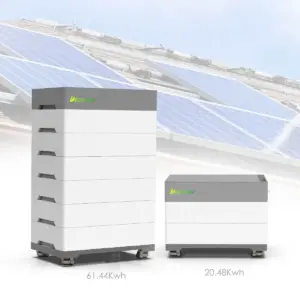
Energy storage systems, such as lithium-ion batteries and super capacitors, enhance ride-through performance by supplying or absorbing power during disturbances. This stabilises the grid while ensuring the operational integrity of renewable energy systems.
3. Innovations in Hardware and Circuit
Robust hardware designs, including over-voltage protection circuits and improved insulation, ensure resilience. Circuit topologies such as boost converters and neutral-point clamped (NPC) designs have proven effective in achieving reliable performance under diverse conditions.
What Challenges Are Involved in Implementing HVRT and LVRT?
1. High Performance Demands on Inverters
Inverters must adapt swiftly to voltage anomalies, requiring advanced materials, innovative designs, and sophisticated control strategies, which increase technical complexity.
2. Cost Considerations
Incorporating HVRT and LVRT capabilities involves additional investments in state-of-the-art hardware, control systems, and energy storage solutions, impacting the overall cost of renewable installations.
3. Grid-Specific Requirements
Grid characteristics vary significantly across regions, necessitating tailored HVRT and LVRT solutions that align with local operational standards and conditions.
Conclusion and Future Prospects
As a professional hybrid inverter manufacturer, Megarevo is committed to the safe design of its products. Its inverters, certified for high and low voltage ride-through capabilities, effectively address grid voltage fluctuations. Looking ahead, with technological innovations and the overcoming of challenges, the renewable energy industry is poised to contribute significantly to building a more robust and sustainable global power infrastructure.